Goal Breakdown Planner: A Practical System for Real Results
Setting a goal is often the easy part. Keeping the momentum, tracking progress, and actually reaching the finish line is where most people struggle. Whether you want to launch a side business, learn a new skill, get healthier, or finish a creative project, the gap between intention and achievement can feel wide. That is where a structured approach like a Goal Breakdown Planner becomes essential. This is not just another notebook. It is a system designed to help you move from vague ambition to concrete action, one step at a time.
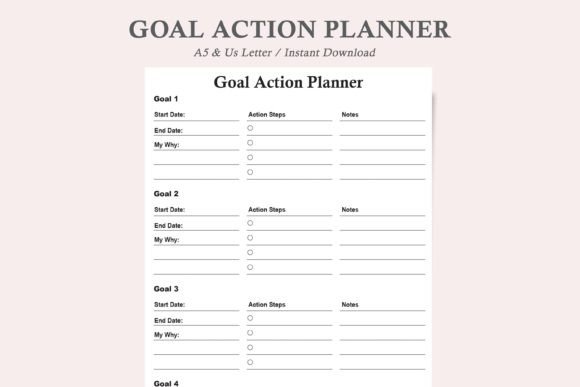
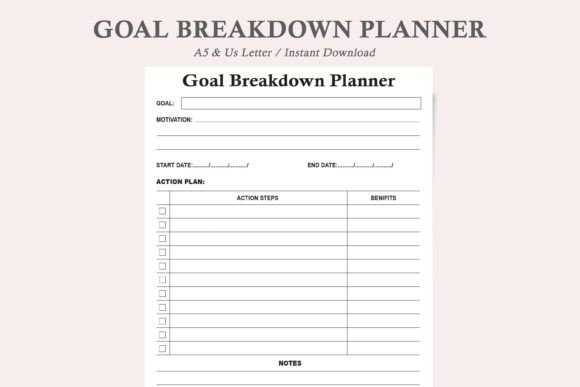
At its core, a Goal Planner helps you take a big, sometimes overwhelming objective and break it into smaller, manageable pieces. Instead of saying “I want to grow my business,” you map out specific milestones, weekly tasks, and daily priorities. You track what works, adjust what does not, and keep yourself accountable without relying on willpower alone. The result is a clear roadmap that turns your dreams into a realistic plan you can follow.
Why Different People Need Different Things from a Goal System
A good Goal Breakdown Planner does not treat everyone the same. Your priorities depend on who you are and what you are trying to accomplish. For example, a busy parent juggling work and family might value simplicity and speed over elaborate layouts. A freelancer managing multiple projects might need flexibility and space for reflection. An entrepreneur scaling a business may prioritize tracking metrics and long-term milestones. Understanding your own context helps you evaluate whether a particular planner fits your life.
Here is how different audiences may approach the same tool with different expectations:
- Beginners often need guidance and structure. A Goal Planner that includes prompts for setting clear objectives, breaking down tasks, and reflecting on progress can reduce the overwhelm of starting something new.
- Experienced users may look for advanced features like milestone mapping, progress trackers, and space for strategic adjustments. They want a system that scales with their growing ambitions.
- Creators and hobbyists might value creative freedom. They may use the planner loosely, adapting sections to fit artistic projects, writing goals, or learning schedules.
- Professionals and business owners often prioritize accountability and results. They want a tool that helps them stay on track with deadlines, measure outcomes, and celebrate progress without wasting time on fluff.
- Educators and coaches may use a Goal Breakdown Planner to guide students or clients through goal-setting exercises, focusing on clarity and actionable steps.
- Consumers and hobbyists might evaluate based on cost, design, and ease of use. They want something that fits into their daily routine without feeling like a chore.
Key Priorities When Choosing a Goal Planning System
Not all planners are created equal. Depending on your situation, different features may matter more. Here are some of the main factors to consider when looking at a Goal Breakdown Planner:
Ease of Use
If you have ever bought a planner and stopped using it after a week, you know how important ease of use is. A planner that takes too long to fill out or feels confusing will collect dust. Beginners especially benefit from a straightforward layout with clear sections for goal setting, action steps, and tracking. Look for a design that feels intuitive and does not require a manual to understand. A minimalist, ink-friendly design helps too—you can fill it out quickly without needing extra tools or complicated symbols.
Flexibility and Customization
Life is unpredictable. Your goals might shift, and a rigid planner can become frustrating. A flexible Goal Planner allows you to adapt sections, add notes, and repurpose pages as needed. For example, a freelancer might use one page for client projects and another for personal development. A hobbyist learning guitar might need space for practice logs and reflection. The ability to print a new page whenever you need more also adds flexibility—you are not locked into a fixed number of pages.
Accountability and Progress Tracking
Accountability is one of the biggest drivers of success. A good planner includes built-in progress trackers, milestone celebrations, and reflection prompts. These features help you see how far you have come and remind you to keep going. For business owners and professionals, tracking progress against deadlines is critical. For creators, seeing incremental wins keeps motivation high. Whether you check in daily or weekly, the act of recording progress reinforces commitment.
Quality and Design
While content matters most, design affects how often you actually use the planner. A professional, clean layout reduces visual clutter and helps you focus. For some people, aesthetics are a motivator—they want something that looks good on their desk or in their bag. For others, functionality trumps appearance. Consider what matters to you: high-quality PDFs that print well, multiple sizes (like US Letter and A5), and clear typography all contribute to a positive experience.
Long-Term Usefulness
A planner is not a one-time purchase if it serves you well over months or years. Look for a system that supports different types of goals—short-term projects, long-term ambitions, personal growth, or professional milestones. A Goal Breakdown Planner that includes space for reflection and learning helps you carry insights forward. Over time, you build a personal library of what works, making each new goal easier to achieve.
Practical Examples for Different Readers
To help you see how this might work in real life, here are a few scenarios:
- A beginner starting a fitness journey: Instead of saying “I want to get fit,” you break it down: walk 20 minutes three times a week, track meals, and check in weekly. The planner helps you set small, achievable steps and celebrate each milestone.
- A freelancer managing multiple projects: You use the Goal Planner to map out three main goals for the quarter, break each into monthly tasks, and track deadlines. Reflection pages help you adjust when a project takes longer than expected.
- A small business owner launching a product: You map the entire launch timeline, from research to marketing to sales. The planner keeps you accountable to weekly actions and lets you celebrate when you hit each launch milestone.
- A hobbyist learning to paint: You set a goal to complete five paintings in three months. Each week, you plan one studio session, note what you learned, and track your progress. The planner becomes a creative journal as much as a planning tool.
- An educator guiding students: You introduce the Goal Breakdown Planner as a class exercise, helping students set academic goals, break them into weekly study tasks, and reflect on their learning. The structured format makes goal-setting tangible.
Does This Match Your Needs?
Deciding if a Goal Breakdown Planner is right for you comes down to a few honest questions. Are you someone who benefits from writing things down? Do you struggle to follow through on goals because they feel too big or vague? Do you want a system that keeps you accountable without being overwhelming? If you answered yes to any of these, a structured planner can make a real difference.
Beginners will appreciate the clear framework that removes guesswork. Experienced goal-setters will value the space for strategic thinking and adjustment. Creators and hobbyists can adapt the system to fit their unique rhythms. Professionals and entrepreneurs will find the accountability and tracking features essential for staying on top of multiple responsibilities. Even if you have tried other planners before and abandoned them, a well-designed Goal Planner with flexible pages and a simple layout might be the one that sticks.
Consider your skill level, your typical project type, and what you most need from a planning tool. If you value simplicity, flexibility, and a design that works for both personal and professional goals, this kind of planner is worth trying. You can always print a new page when you need more, so there is no risk of wasting a whole notebook on an approach that does not fit.
Turning Intentions into Achievements
Goals do not accomplish themselves. They require consistent effort, smart planning, and the ability to adapt along the way. A Goal Breakdown Planner is not a magic solution, but it is a practical companion that helps you stay organized, motivated, and honest with yourself. By breaking down big dreams into daily actions, you make progress inevitable rather than accidental. Whether you are pursuing a career change, a creative project, a business goal, or a personal milestone, having a clear roadmap keeps you moving forward.
The best part is that you can start small. Pick one goal that matters to you right now. Map out the first few steps. Track your progress for a week. Reflect on what you learn. Over time, you will build a habit of intentional action that serves every area of your life. That is the real value of a Goal Planner—it helps you turn what you want into what you actually do.