Debt Tracker Financial Planner for Real Progress
Managing money can feel overwhelming when debt is part of the picture. A Debt Tracker Financial Planner offers a straightforward way to see where you stand, plan your payments, and monitor your progress over time. Whether you are just starting to take control of your finances or you have been working on debt reduction for months, this type of planner serves as a practical tool that turns abstract numbers into a clear, actionable roadmap.
What a Debt Tracker Financial Planner Actually Does
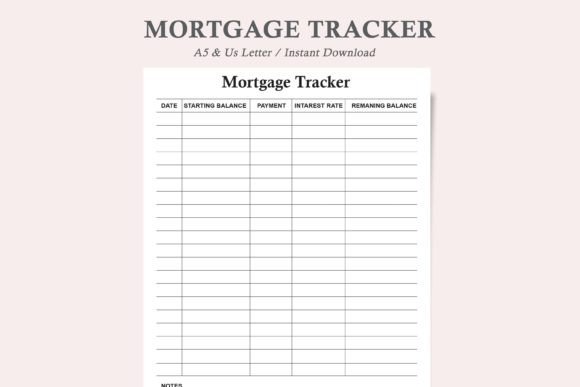
At its core, a debt tracker financial planner helps you list every debt you owe, track minimum payments, record extra payments, and visualize the balance decreasing over time. Instead of juggling multiple statements or guessing which debt to tackle first, you get one central place to see the full picture. Many people use it alongside a budget, but it works fine on its own if your main focus is getting out of debt.
The planner becomes especially useful when you have multiple debts, like credit cards, student loans, a car loan, or personal loans. It removes the mental load of remembering due dates and balances. Over time, seeing those balances shrink builds momentum and keeps you motivated.
Who Finds This Planner Valuable
This tool appeals to a wide range of people, not just financial experts. Beginners who have never tracked their debts before will appreciate the simple layout. Freelancers and small business owners, who often have irregular income, can use it to plan payments during higher-earning months. Entrepreneurs juggling business and personal debt find clarity in separating and tracking each obligation. Even educators or bloggers who create content about personal finance can use it as a reference or example for their audience.
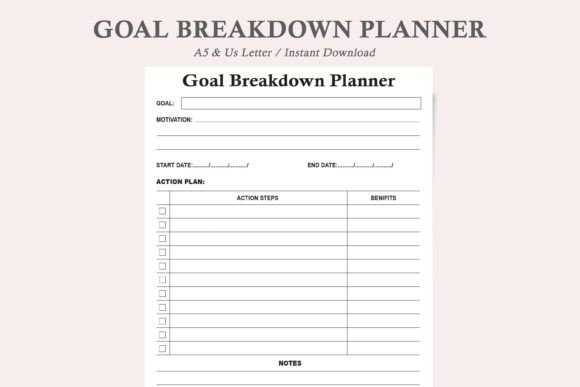
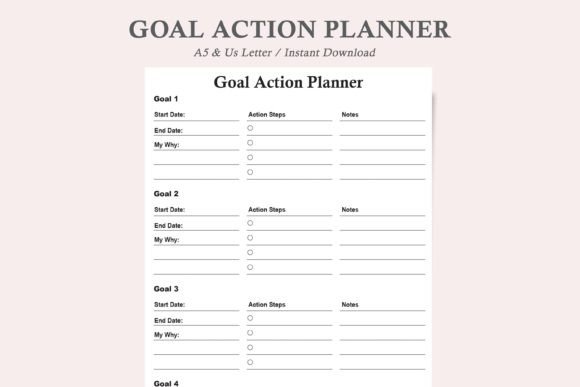
The planner also supports people working toward specific goals, such as paying off a debt by a certain date, improving a credit score, or saving money on interest by paying extra each month. It turns an abstract goal into something you can measure and celebrate.
Practical Ways to Use the Planner in Real Life
You can use a debt tracker financial planner in several ways depending on your style and needs. Here are a few realistic scenarios:
- Monthly check-ins: Set aside 15 minutes at the start of each month to update balances and plan your payments for the next four weeks.
- Debt snowball or avalanche method: List debts by smallest balance (snowball) or highest interest rate (avalanche) and track extra payments toward the target debt.
- Side-by-side budgeting: Use the planner alongside your regular budget to see how debt payments fit into your total spending.
- Visual progress tracking: Watch balances drop each month, which provides a tangible sense of accomplishment.
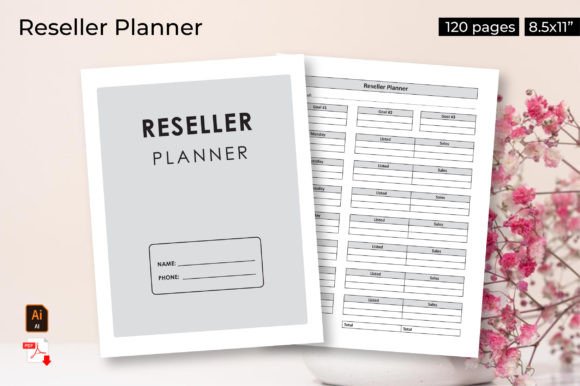
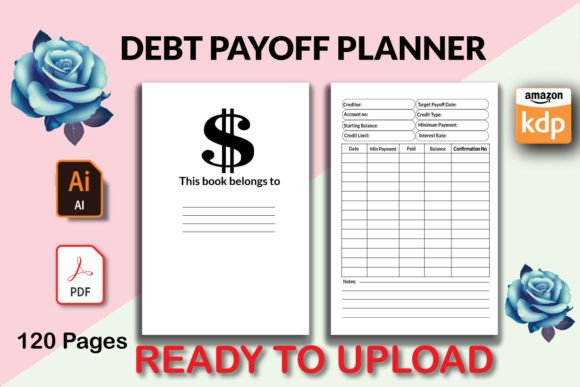
Many people also print the pages and keep them in a binder or notebook. The Debt Tracker Financial Planner KDP Interior Template makes this especially easy because it includes a 120-page PDF interior, plus JPG and PNG files if you prefer to work digitally or use the pages in other apps. The editable source file (AI format) gives you the flexibility to customize fields, change labels, or adjust the layout to match your exact needs.
What Comes with the KDP Interior Template
If you are considering using or creating a debt tracker financial planner, the KDP interior template version offers a complete package. You get a 120-page PDF interior that is print-ready at 8.5x11 inches and 300 DPI. That high resolution ensures clean, sharp text and lines whether you print at home or through a professional service. The template also includes two JPG files and two PNG files, which are useful if you want to use individual pages in a digital planning app or share a sample with someone.
The editable source file (AI) allows you to modify the design. You can change font styles, add your own branding, or adjust the number of pages. Because the file can be resized, you are not locked into one format. This flexibility is especially valuable for content creators, bloggers, or small business owners who want to offer a unique product to their audience or adapt the planner for their own workflow.
Key Considerations Before Choosing a Debt Tracker
Not every debt tracker fits every person or situation. Here are a few things to think about before you start:
- How detailed do you want it? Some trackers include space for due dates, interest rates, minimum payments, and notes. Decide what level of detail helps you stay consistent.
- Digital or physical? If you prefer writing by hand, a printed PDF works great. If you work mostly on a tablet or computer, the PNG or JPG files might suit you better.
- How many debts do you track? A 120-page interior gives you plenty of room, but consider how many entries you need per month. Some people prefer one page per debt, others track everything on a single overview page.
- Customization needs: If you want to add your own categories, change the layout, or include extra fields, an editable AI file is a big advantage. If you just want a ready-to-print solution, a fixed PDF is simpler.
Also, think about how you will stay motivated over time. A debt tracker works best when you check it regularly, not just once and forget it. Pairing it with a simple weekly or monthly routine helps you stick with it.
Sharing Your Project and Inspiring Others
One of the more rewarding aspects of using a debt tracker financial planner is seeing your own progress. Many people find encouragement in sharing what they have created or accomplished. If you make something using this product, consider sharing a picture of your project. Your post will be visible to others on the product page and on your own social feed. This kind of sharing helps others get inspired by your creation and shows them what is possible.
Whether you are a beginner taking the first step or a creator looking for a reliable interior template, a debt tracker financial planner offers structure without complexity. It meets you where you are and helps you move forward one payment at a time.